Brown Sugar & Spice Books carries African-American children's books, multicultural books, and black history books for adults and children.
Margaret is a homeschool veteran who explains why traditional schooling was never an option for her children. Margaret’s narrative documents the complexity of being a single Black mother and choosing to live in a low-income housing community, and not working full-time in order to fulfill her rights as a mother to do what she determined would be best for her children. Her account also demonstrates the role of faith, spirituality, and the complexity of building a curriculum to meet her children’s needs.
This youtube video gives a look into a large successful homeschooling family. This African-American family of seven children has had all children go to college, starting while still in high school.
A new wave of pioneers is sweeping onto the home schooling trail. After decades of promises that the public school "system" holds the key to success, some African-American families are finding, like those of other ethnicities, that an increasingly centralized system and social decay are fast dissolving the bonds of their culture and families. And many have found a way to reconnect and restore those bonds by home schooling—an educational path so old and overgrown that it's considered radical and cutting edge.
When black families look to homeschool there are a lot of questions to take into consideration. Here is a quick primer to get you started.
The National Black Home Educators Resource Association (NBHERA) is a resource network founded by Eric and Joyce Burges in July 2000. This association encourages, supports, and offers fellowship to families who are exploring benefits of home education. NBHERA was created to serve the African American community by providing assistance with information about getting started homeschool, networking/connecting veteran families with new families, recommending resources such as books, music, films, speaking information, curriculum, etc. NBHERA’s mission endeavors to empower parents to educate their children for excellence.
North Star Multi-Cultural Homeschooling Support Group provides a diverse and welcoming atmosphere for homescoolers in the Metro-Jackson area. This group hopes that families of different ancestries, religions and homeschooling philosophies can grow and learn. NSMHSG is a chapter of the National Black Home Educators Resource Association.
In the past couple of years the news has been inundated with national, international and local articles reporting the dramatic rise of homeschooling in the African-American community. Although we often get statistics about Black homeschoolers, we rarely get a glimpse of real families. This article takes you into the lives of Black homeschooling families who are taking their children's education into their own hands.
Anecdotal evidence seems to indicate that homeschooling is growing in the black community. Mike Smith of the Home School Legal Defense Association discusses this with Joyce Burges, co-founder of the National Black Home Educators Resource Association.
African-Americans are joining the national home schooling community at larger and larger numbers every year. Following a nationwide trend, educating children at home is becoming a popular option for Black Americans as private school costs rise and the reputation of public schools grows worse. Read about the current movement of African-American homeschoolers.
Afrocentric Homeschoolers Association Email Group is a discussion group for pro-Black African and/or African Diasporan, Black homeschoolers, unschoolers, deschoolers, and home-based educators everywhere. It is also open to non-homeschoolers and non-Blacks who are trying to teach their children about Blacks. It was founded as a resource for Black homeschoolers, Blacks in Canada, the U.S., Caribbean, and elsewhere, including the African Canadian, African American, African Caribbean, Black European, African, and Black Canadian.
Afrocentric Homeschoolers Association is a nonprofit resource for homeschooling families (and individual teens) everywhere in the world which are engaging in Afrocentric, Africentric, Black-oriented, Black-positive, African, African American or pro-Black education.
African-American Single Parent Homeschoolers is a discussion group designed to lend support and resources to parents who are home schooling alone.
Their purpose is to be a trustworthy, conscientious, and dependable resource in the "true" education of youth and families. By providing consistent support, guidance, and current relevant information, they are committed to assist in all academic subjects and critical life areas that cultivate children to be young dedicated scholars, critical thinkers, builders, and problem solvers; addressing the specific needs of Black/Afrikan people.
In order for home schooling to be successful in the African-American community, it is imperative that local and state support groups and organizations be formed. There are several ways that African-American homeschoolers can reach out and create support groups either on the local or state level. This article gives tips and ideas for starting a homeschool support group.
African-American Teens who unschool/homeschool: Come hear how others live exciting, creative lives outside of traditional schooling. This is a free and comfortable space for teens to call their own.
African American Unschoolers email group is for African-American homeschoolers who use the whole world as their child(ren)'s classroom.
Mothers are bears when it comes down to protecting their children. Read about how this home school mom fought racism in her way and created highly acclaimed multicultural educational tools in the process.
4 My Kids Records is committed to producing quality educational and entertainment products that will ignite a child’s excitement to learn. Every catchy song, dance-floor groove, memorable story, colorful illustration and fun-filled animation is created with a timeless heart.
Black Alliance for Educational Options (BAEO) exists to educate and inform the general public about parental choice initiatives on the local and national level; educate Black families about the numerous educational options available; create, promote and support efforts to empower Black parents to exercise choice in determining how their children are educated; and educate and inform the general public about efforts to reduce or limit educational options available to parents.
Mocha Moms, Inc. is a support group for mothers of color who have chosen not to work full-time outside of the home in order to devote more time to their families and communities. Mocha Moms serves as an advocate for those mothers and encourages the spirit of community activism within its membership.
 The Homeschool Alternative: Incorporating a Homeschool Mindset for the Benefit o...
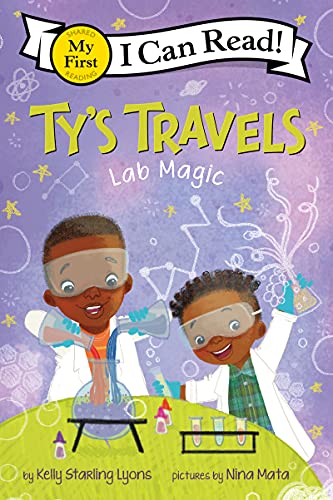
 Ty's Travels: Lab Magic (My First I Can Read)
 Soul School: Taking Kids on a Joy-Filled Journey Through the Heart of Black Amer...
 A Guide to Homeschool Foundational Black American Children
 The Tiny Truths Illustrated Bible
 Black History Activities Workbook, African American History 5th Grade Workbooks ...
 There Was a Black Hole that Swallowed the Universe: A Funny Rhyming Space Book f...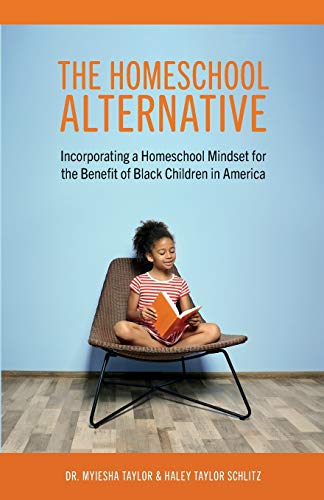


 A Journey Through Black History: 95 Fun and Educational Activities Based on Infl...
 Black Heroes: A Black History Book for Kids: 51 Inspiring People from Ancient Af...

